Texas maternity shelter sees demand rise amid new healthcare laws
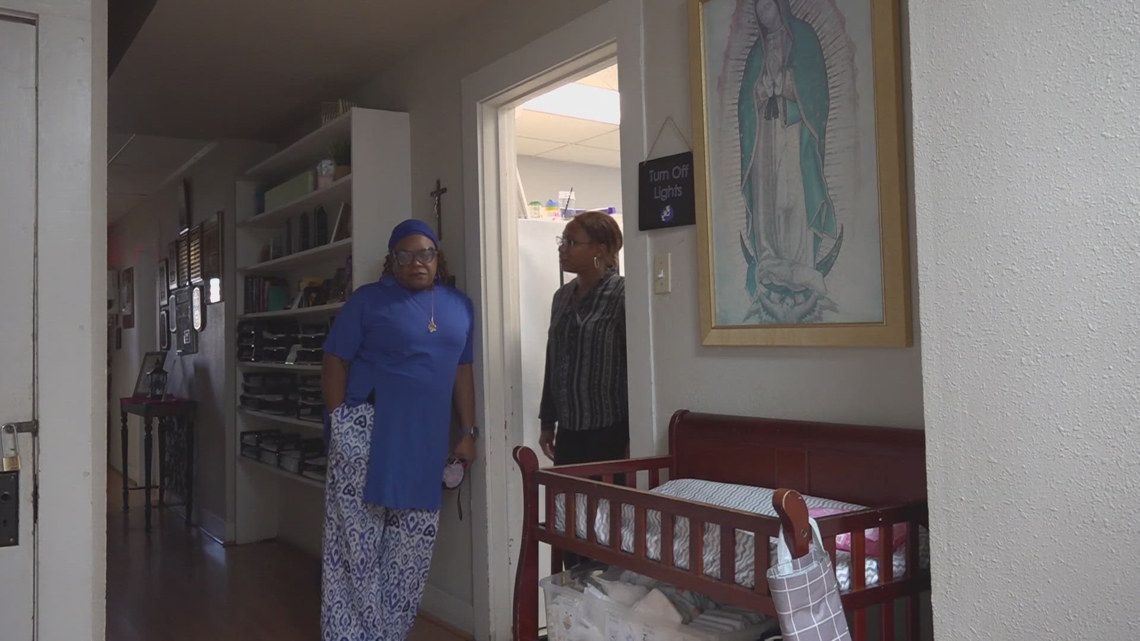
OLEMS Maternity Shelter staff report more calls from pregnant women and mothers looking for resources, as the new regulations create uncertainty.
TEMPLE, Texas — As two Texas laws affecting women’s healthcare will take effect on September 1st, a maternity shelter is reporting a significant increase in demand for services from pregnant women and mothers facing crises.
Staff at OLAMS Maternity Shelter say they’ve seen a surge in calls from women across Texas and even from out of state since the new regulations.
“There’s been an increase in need because of the change in the laws,” said Erica Mason Colvin, a restorative practitioner at the shelter. “The women who come here want to keep their children, but what we are recognizing is that because they did not have access to abortion care, some of them found themselves in a place they didn’t expect to be.”
The legislation at the center of the discussion includes Senate Bill 31, known as the “Life of the Mother Act,” which clarifies when doctors can perform emergency medical interventions during pregnancy. Senate Bill 33 prohibits local governments from using taxpayer money to fund out-of-state healthcare travel or related services like transportation, lodging, and childcare.
For women like Ladeisha, who came to OLAMS after her daughter was born prematurely at 27 weeks, the shelter provided crucial support during a vulnerable time.
“She was born at 27 weeks. She was in a NICU for 60 days and I had nowhere to go with my newborn,” Ladeisha said. After her time at Ronald McDonald House ended, she faced homelessness with a medically fragile infant.
“I didn’t wanna have her out on the streets or anything like that. That’s how I was able to reach out to the maternity shelter and it was the best decision I ever made,” she said.
Ladeisha is now pursuing a degree in social work while living at the shelter.
Licensed Master Social Worker Sophia Franco, who works at OLAMS, says residents often worry about how new legislation might affect their access to government programs.
“When a new law comes out it can be very confusing on how that affects them,” Franco said. “Is this gonna make my food stamps go down? Is this gonna make it harder for me to access health care? Is this gonna make my housing wait longer?”
The shelter has also received calls from women in other states seeking services. One resident, who asked to be identified only as Jane, traveled from Florida looking for better resources.
“It’s not easy being a young mom with no government help or support system,” she said. “It’s really hard for single moms out here with stability for their kids.”
OLAMS provides housing and wraparound services for pregnant women and mothers with children up to 36 months old. The organization connects residents with community resources including healthcare, food assistance, parenting classes, and educational opportunities.
“We are very big on education,” Colvin said. “We know that education is access and education is freedom. When you can have access to a better life, you can do that through learning more.”
The shelter continues providing support services even after families move into independent housing.
As demand for services increases, the organization relies heavily on community donations. Staff say monetary contributions are most helpful, allowing them to purchase supplies based on current needs — whether that’s diapers, baby formula, or laptops for women returning to school.
Franco noted that many residents are currently enrolled in educational programs, creating additional needs for technology and school supplies.
“Right now all of our girls are going back to school,” she said. “We really press education and I am hoping that we can get some donations for laptops and electronics so they can go back and get their GEDs or go back to community college.”
Despite the challenges, staff and residents at OLAMS remain focused on their mission of helping families achieve independence and stability.
“Don’t be afraid to reach out for help,” Ladeisha advised other women facing similar situations. “Utilize any resources that you can get within the community because it can help out in a lot of ways.”
link